Springfield Considers Full Ban on Crypto Kiosks
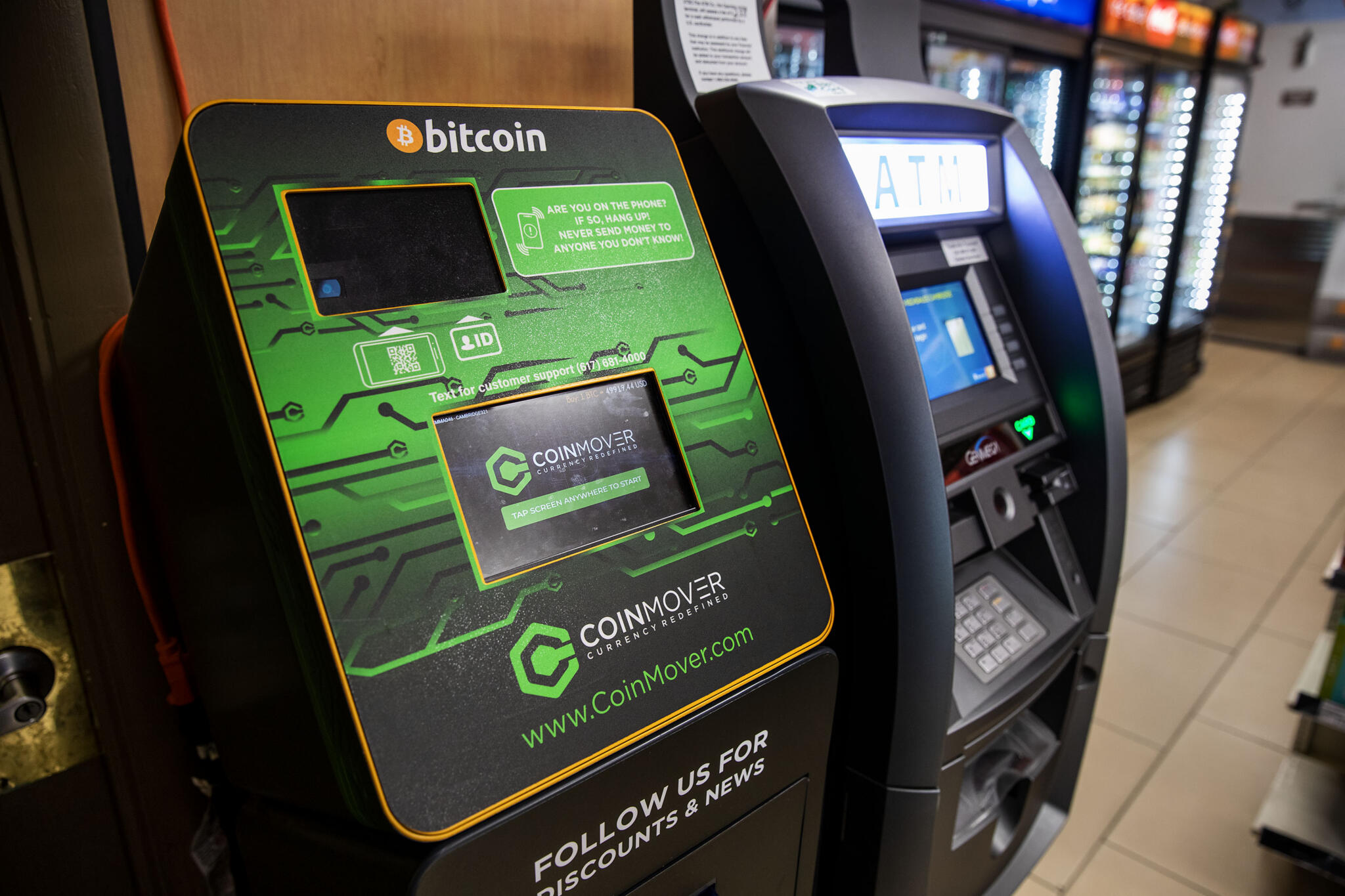
The Springfield City Council is preparing to consider a full ban on cryptocurrency kiosks. Local leaders want to remove these cash machines across the city to prevent scams. The move comes as officials look for ways to protect residents from losing money to fraud.
Why Springfield leaders want a ban
City leaders worry that cryptocurrency kiosks make it too easy for criminals to steal from normal people. Scammers often call victims on the phone, scare them, and tell them to send cash through an ATM. Once someone puts cash into a kiosk, the money turns into digital tokens and goes straight to the thief. That money is usually gone forever because digital transactions cannot be undone.
Officials in Springfield believe a total ban is the best way to keep vulnerable residents safe. Bad actors often target elderly people who do not understand how digital coins work. By taking the machines out of local corner stores and gas stations, the city council hopes to remove a key tool that scammers use every day.
What is a cryptocurrency kiosk?
A cryptocurrency kiosk looks just like a normal bank ATM from the outside. Instead of giving you paper money from your bank account, it lets you buy digital coins like Bitcoin with physical cash. The machine takes your paper bills, converts the cash, and sends the coins to a digital wallet address. Some machines also let people sell their coins to get paper cash back.
These machines are popular because they are fast and do not require a bank visit. However, they also carry high fees and very little oversight compared to regular banks. Here are three main facts about how these machines operate in neighborhoods:
- They stand inside convenience stores, gas stations, and busy grocery shops.
- They allow people to trade paper money for digital tokens in just a few minutes.
- They make it hard to get your money back once a bad transaction happens.
How will this affect local crypto users?
If the city council passes this rule, everyday buyers in Springfield will lose an easy way to purchase digital tokens with paper bills. Anyone who wants to buy or trade will have to use online platforms and traditional bank accounts instead. While online exchanges are common, some people still like using cash machines in their own neighborhood.
Supporters of the ban argue that this small hassle for honest users is worth the safety it brings. Online platforms usually have stronger identity checks that help stop criminals from running wild. A local ban forces users toward safer options and shuts down a simple path for phone fraud.
What will happen next in Springfield?
The Springfield City Council will meet to review the proposal and hear from the public. Community members, store owners, and kiosk operators will have a chance to share their thoughts before any final vote. Store owners may speak up if they earn monthly rent from hosting the machines inside their shops.
Other towns and cities will also watch this decision very closely. If Springfield successfully bans these kiosks, more local governments might copy the plan to fight scams in their own streets. The coming vote will show whether local bans become the new normal for fighting digital fraud.


Comments
Post a Comment