Harris County Halts Facial Recognition Deal
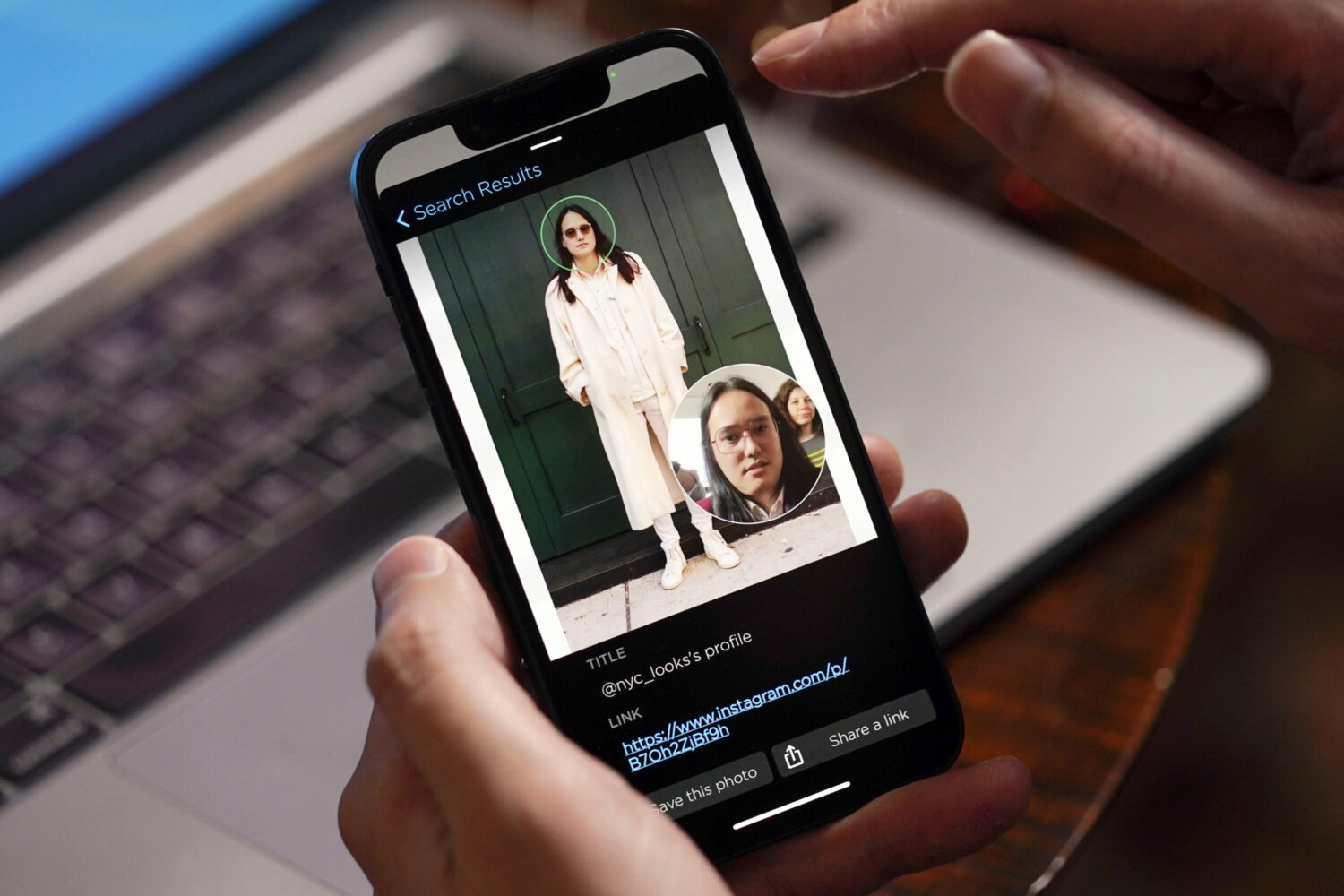
Harris County officials have pulled a controversial no-bid contract for facial recognition technology. Leaders took the deal off the table following concerns about the tool and the way the county planned to buy it. The decision stops the rollout of the software across the area for now.
What is facial recognition technology?
Facial recognition technology uses computers to scan human faces and match them against databases of known images. Police and government offices often want these tools to help find suspects or identify unknown people in public places. However, many citizens worry that scanning faces in public takes away their everyday privacy.
Modern rules around these digital tools often connect to information technology law, which deals with how data and personal privacy get handled. When computer systems scan people without their direct permission, questions about legal rights quickly follow. Many groups argue that cities should slow down until strict rules protect ordinary residents from constant tracking.
Why did officials drop the no-bid deal?
The deal caused pushback because it was set up as a no-bid contract. When a government uses a no-bid process, it picks a single seller without letting other tech companies compete for the job. This approach often upsets taxpayers who want to see fair prices and open public debates.
The contract also involved software that has sparked debate all across the country. Community members often speak out against surveillance tools before local boards can vote on them. The quick removal of the proposal highlights several key issues that trouble local residents:
- No-bid deals skip the standard open competition among tech vendors.
- Facial scans can lead to wrong matches and false accusations.
- Residents worry about constant surveillance in regular public spaces.
- Local leaders faced fast pushback over a lack of public input.
How does this decision affect local residents?
For everyday people in Harris County, this move means the software will not track them on local cameras today. Residents do not have to worry about immediate scans matching their faces to county files. The pause gives everyone more time to ask questions about how local leaders spend tax money on high-tech gear.
It also sends a clear message to other government departments in the area. Agencies know that skipping an open vote or rushing a tech deal will bring fast criticism. People want a clear seat at the table whenever local leaders plan to buy powerful monitoring tools.
What comes next for tech contracts in the county?
County leaders may decide to open a regular bidding process in the future. If that happens, other vendors can submit proposals, and the public can view the full details of the plan. A normal process lets the community see what the software costs and how it works before any contract gets approved.
Watch for future public meetings where leaders discuss surveillance and digital privacy. Tech companies will keep pitching new tools to local governments, so this debate will return soon. For now, community members have shown that speaking up can halt big tech decisions in their tracks.


Comments
Post a Comment